 Why + Mechanism
Why Fully Autonomous Driving Is So Difficult
Exploring the complex challenges that make achieving Level 5 autonomy one of the hardest engineering problems of our time.
Deep dive into the technology, challenges, and innovations shaping the next generation of transportation. Explore 35+ in-depth articles covering everything from AI systems to sensor fusion.
This site is designed for educational and informational purposes only.
Autonomous driving represents one of the most complex engineering challenges of our time. As vehicles transition from human-controlled machines to AI-powered systems, understanding the technology, limitations, and implications becomes crucial for everyone—from industry professionals to everyday consumers.
This site covers the full spectrum of autonomous driving technology: the fundamental mechanisms that make self-driving possible, the structural components and systems involved, comparative analyses of different approaches, and the broader impact on industry and society.
Our content is organized into four key categories: Why + Mechanism explores technical challenges; What + Structure defines components; Comparison analyzes technologies; and System + Impact examines real-world effects.
Understanding the "why" behind autonomous driving challenges and the mechanisms that drive innovation.
Why + Mechanism
Exploring the complex challenges that make achieving Level 5 autonomy one of the hardest engineering problems of our time.
 Why + Mechanism
Understanding the critical role humans play in current autonomous systems and why full automation remains elusive.
 Why + Mechanism
The engineering logic behind multiple sensor systems and why redundancy is crucial for safety.
 Why + Mechanism
Discover why rare scenarios pose the greatest obstacles to autonomous vehicle development.
 Why + Mechanism
Understanding the gap between public expectations and the reality of autonomous vehicle development.
 Why + Mechanism
Exploring the debate around lidar technology and different approaches to autonomous perception.
 Why + Mechanism
The cognitive advantages humans have over AI systems when navigating complex driving scenarios.
 Why + Mechanism
Understanding the critical role of HD mapping in autonomous navigation systems.
 Why + Mechanism
How rain, snow, and fog challenge sensor systems and why weather remains a major obstacle.
 Why + Mechanism
The cognitive difficulties of transitioning control between autonomous systems and human drivers.
 Why + Mechanism
Understanding the data requirements for training and validating autonomous driving systems.
 Why + Mechanism
How government policies and legal frameworks influence the pace and direction of AV innovation.
Defining the components, systems, and architecture that make autonomous vehicles possible.
 What + Structure
A comprehensive guide to understanding the SAE automation levels and what each means for drivers.
 What + Structure
Understanding the distinction between driver assistance systems and true autonomous driving.
 What + Structure
An overview of cameras, radar, lidar, and other sensors that enable vehicle perception.
 What + Structure
How autonomous vehicles combine data from multiple sensors to create a unified world model.
 What + Structure
Exploring how artificial intelligence powers perception, decision-making, and control systems.
 What + Structure
Understanding how human operators assist autonomous vehicles from a distance.
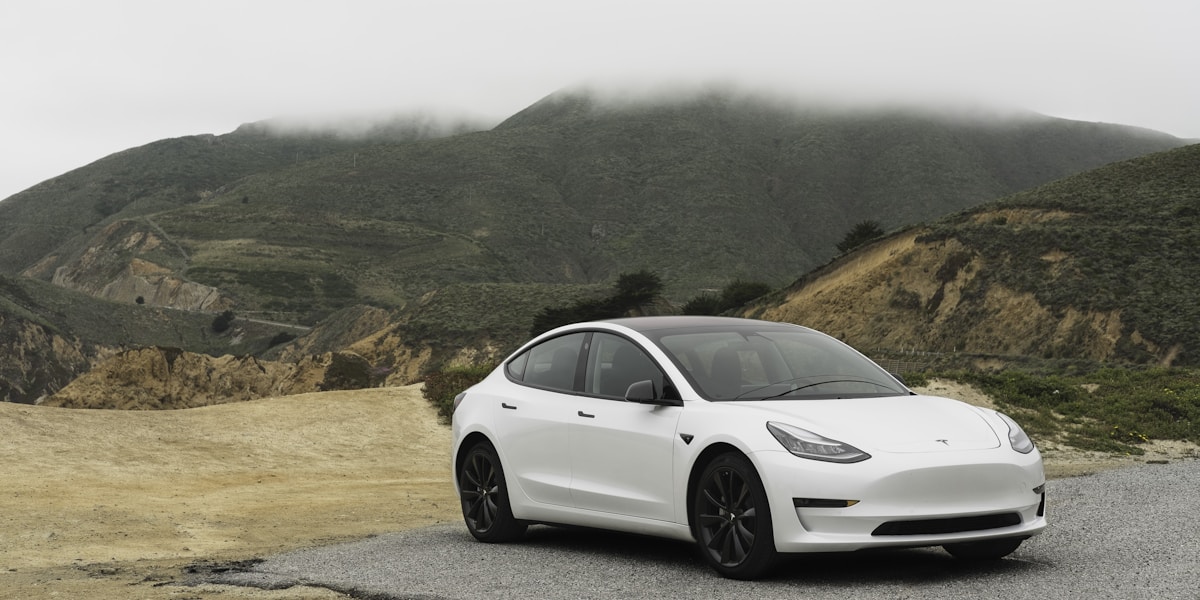 What + Structure
Understanding Vehicle-to-Everything communication and how it enhances autonomous driving.
 What + Structure
A breakdown of the hardware, software, and data systems that power self-driving cars.
 What + Structure
Understanding the specific conditions under which an autonomous system is designed to operate.
Comparing technologies, approaches, and understanding the boundaries of autonomous systems.
 Comparison
Analyzing the strengths and weaknesses of different sensor technologies for autonomous vehicles.
 Comparison
Analyzing the strengths and weaknesses of different sensor technologies for autonomous vehicles.
 Comparison
Comparing two leading autonomous ride-hailing services and their different approaches.
 Comparison
Comparing two fundamental architectures for autonomous driving systems.
 Comparison
The advantages and limitations of virtual versus physical testing environments.
 Comparison
Different approaches to processing and decision-making in autonomous vehicles.
 Comparison
Comparing traditional programming approaches with machine learning in autonomous driving.
 Comparison
Why highway automation is easier than urban driving and what that means for deployment.
How autonomous driving systems operate and their impact on industry and society.
 System + Impact
Understanding the transformation of freight and delivery through autonomous trucking technology.
 System + Impact
Analyzing safety data and comparing autonomous vehicle performance with human drivers.
 System + Impact
How autonomous vehicles could affect energy consumption, emissions, and sustainability.
 System + Impact
Understanding the legal framework and liability questions surrounding autonomous vehicles.
 System + Impact
Exploring the moral dilemmas and ethical considerations in autonomous driving algorithms.
 System + Impact
The potential shift from personal vehicle ownership to mobility-as-a-service models.